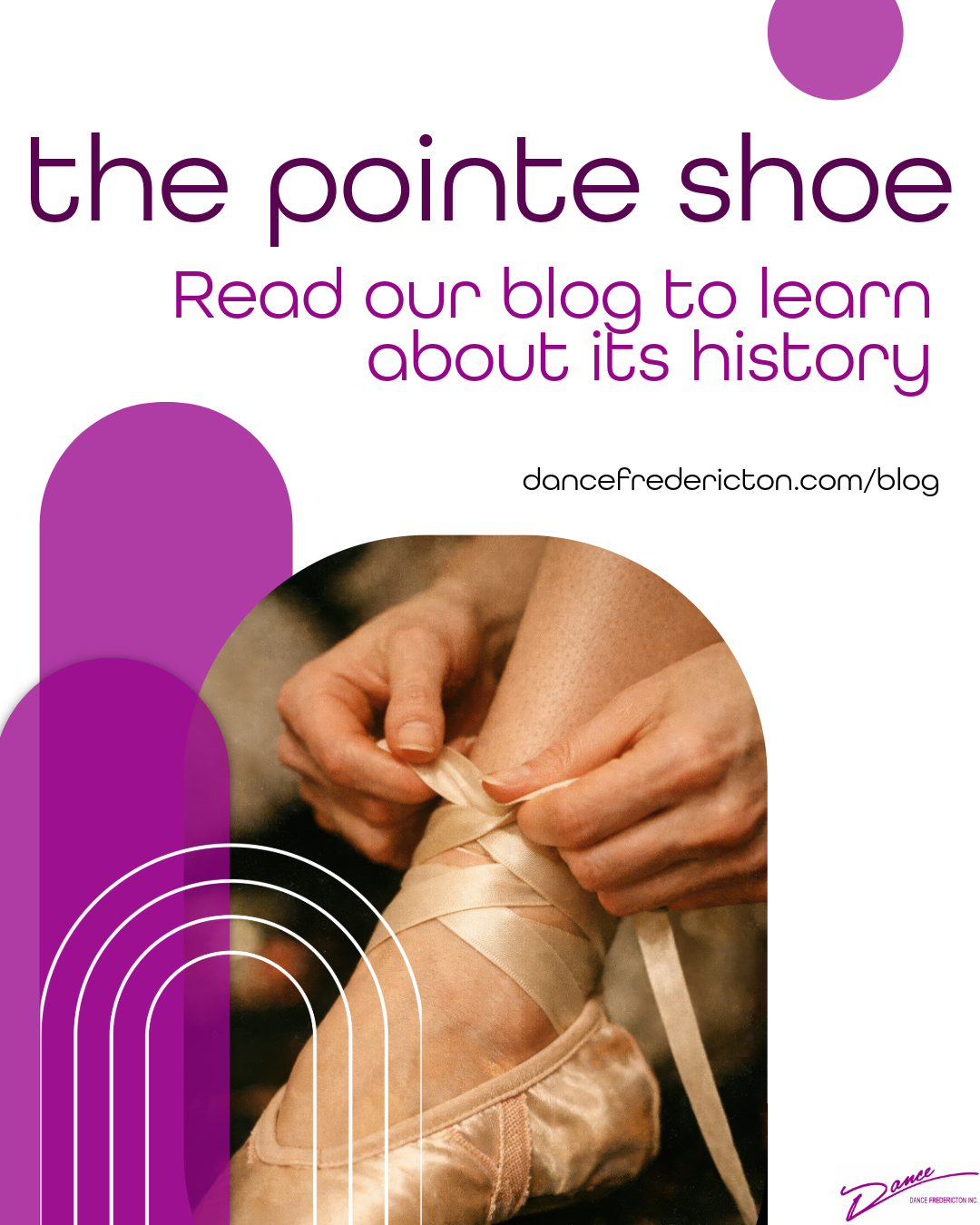
The Pointe Shoe: A Little Shoe with Big History
Few objects are as closely associated with ballet as the pointe shoe. Its simple appearance, however, conceals a remarkable amount of engineering and history. The pointe shoe has evolved alongside ballet itself, changing as dancers have developed new techniques and choreographers have demanded greater strength, precision and endurance.
The Beginnings of Pointe Work
Dancing on the tips of the toes predates the modern pointe shoe. Italian ballerina Amalia Brugnoli was performing on pointe as early as 1823, using a reinforced satin slipper.
The dancer most closely associated with the emergence of pointe work is Marie Taglioni. In 1832, she performed the title role in La Sylphide entirely en pointe. Her shoes were still essentially ballet slippers, reinforced with additional stitching and a stronger sole. They offered little of the structural support provided by a modern pointe shoe, making her achievement particularly remarkable.
From Slipper to Specialized Shoe
As ballet technique became increasingly sophisticated throughout the 19th century, the demands placed on the dancer’s footwear changed with it.
Shoemakers began reinforcing the toe with layers of fabric and paste and strengthening the sole. This gradually produced the toe box—the structured area surrounding the toes—and the shank, which supports the underside of the foot.
The development of these features allowed dancers to remain en pointe for longer periods and execute increasingly complex movements. In this sense, the evolution of the pointe shoe was not simply a response to changing ballet technique; the two developed in conversation with one another.
The Anatomy of a Pointe Shoe
Although pointe shoes vary considerably between manufacturers and dancers, their basic construction remains recognizable.
The box surrounds the toes and provides the platform on which the dancer balances. The shank runs beneath the foot and supports the arch, while the vamp covers the toes and extends toward the instep. Together, these components allow the dancer to transfer weight through the foot while maintaining the elongated line so characteristic of ballet.
Traditional pointe shoes are constructed from layers of materials such as fabric, paper, leather and glue, and are covered in satin.
The Professional Pointe Shoe
There is no single pointe shoe suited to every dancer. A professional’s choice depends on the shape and strength of their feet, their technique, choreography and personal preference.
Dancers may select different box shapes, widths and shank strengths, and often make their own adjustments. Ribbons and elastics are sewn specifically for the individual foot, while some dancers alter the platform or other areas of the shoe to achieve the precise balance between support and flexibility they require.
For a professional dancer, the pointe shoe is not simply footwear. It is a highly personal piece of equipment, carefully prepared to become an extension of the foot.
What Might the Future Hold?
For much of its history, the pointe shoe has remained remarkably traditional. More recently, however, manufacturers have begun experimenting with synthetic materials and alternative construction methods designed to improve consistency, durability and support.
Among the most intriguing developments are 3D-printed pointe shoes, which use digitally designed structures and modern materials to reconsider how a pointe shoe can be constructed and how it might respond to an individual dancer.
These innovations have not replaced the traditional pointe shoe, and it remains deeply rooted in ballet culture. Yet they suggest that the evolution of the pointe shoe is far from complete.
Nearly two centuries after dancers first began experimenting with dancing on their toes, the pointe shoe continues to occupy a fascinating place between art and technology: a deceptively delicate object engineered to support one of the most demanding and distinctive techniques in dance.